
Why is Temu So Cheap? Understanding Temu's Pricing Strategy and Local Warehouses

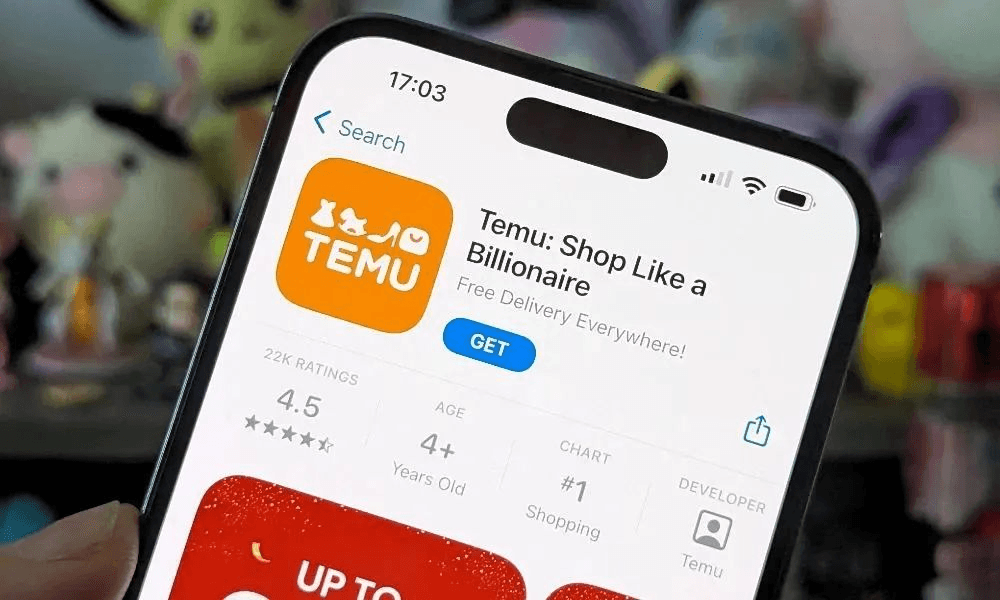
Temu has taken the e-commerce world by storm with its incredibly low prices, leaving many shoppers wondering how it's possible. Here's what's really behind Temu's pricing — and what it means for anyone sourcing or selling in a similar space.
What Does 'Local Warehouse' Mean for Temu?
A local warehouse is a distribution center located within a specific country or region, enabling faster shipping and lower costs for consumers there. Temu has built out local warehouses in the US, which cuts delivery times for American customers while avoiding the high operational costs of international shipping — customs fees and delays chief among them. Keeping inventory close to customers lets Temu pass those savings on as lower prices.
How Does Temu Sell So Cheap?
- Direct-from-manufacturer sourcing — Temu partners directly with manufacturers, cutting out the markups that middlemen typically add.
- Economies of scale — a huge customer base lets Temu negotiate bulk-purchase pricing that reduces the overall cost of goods.
- Efficient supply chain and warehousing — local US warehouses streamline shipping, reducing delivery times and avoiding heavy international shipping costs.
- Subsidized shipping — Temu covers the cost of many "de minimis" shipments into the US, avoiding certain import taxes and passing those savings to customers.
Why Are Temu Products So Cheap?
Temu leverages the de minimis rule, which allows imports under a certain value threshold to avoid customs duties and taxes. By keeping individual shipment values below that threshold, Temu sidesteps additional costs that would otherwise raise prices.
Why Is Temu Cheaper Than Other Marketplaces?
- Manufacturing costs — access to low-cost manufacturers, primarily in China, keeps production costs down.
- Delivery time optimization — US warehouses mean faster shipping and a better overall shopping experience without added cost.
With a global network of manufacturers, Temu can offer a wide range of products at prices that are hard for many competitors to match.
Is Temu Legit and Safe?
Temu operates similarly to established platforms like Amazon and AliExpress, offering a huge range of products at varying price points. Some reviews raise concerns about delivery times or product quality, but these are often more about customer expectations than fundamental faults in the platform — and Temu maintains customer service and return policies to address issues when they come up. Lower manufacturing cost doesn't automatically mean lower quality, either; it's worth judging each product on its own merits.
Additional Factors Behind Temu's Pricing
Temu's mobile-app-first growth strategy — widely available through the App Store and Google Play — has let it reach a massive audience quickly, keeping customer acquisition costs low. The platform has also faced scrutiny over working conditions at supplying factories, a common question for any low-cost retailer sourcing from overseas manufacturing; Temu states it complies with international labor standards and is working toward more supply-chain transparency.
Temu's Role in the Global Marketplace
Temu's rock-bottom pricing model has sparked broader discussion about the impact of ultra-low-cost e-commerce on competitors, labor practices, and global manufacturing and trade relationships — including scrutiny from bodies like the US House Select Committee.
Conclusion
Temu's low prices come from a combination of local US warehouses, bulk purchasing, direct manufacturer partnerships, and subsidized shipping. Understanding these mechanics is useful well beyond just shopping on Temu — the same principles (direct sourcing, efficient logistics, and smart warehousing) are exactly what separate profitable dropshipping and cross-border e-commerce businesses from the rest.
Temu by the Numbers
| Fact | Figure | Source | Verified |
|---|---|---|---|
| Launch | September 2022 | PDD Holdings announcements | 2026-08-21 |
| Owner | PDD Holdings (NASDAQ: PDD), parent of Pinduoduo | pddholdings.com | 2026-08-21 |
| Model | Factory-direct marketplace, mobile-app first | temu.com | 2026-08-21 |
| US fulfillment | Local US warehouses for part of the catalog | temu.com | 2026-08-21 |
| De minimis reliance | Built on sub-threshold direct shipments; US rules for China-origin goods tightened in 2025 | US trade policy announcements | 2026-08-21 |
How to Apply Temu's Playbook to Your Own Store in 5 Steps
Temu's mechanics aren't secret — they're a supply-chain discipline any independent seller can borrow:
- Source closer to the factory. Temu's prices come from cutting middlemen. The same factory base is reachable through 1688 — especially with an agent handling the language and payment gaps.
- Know your landed cost, not your sticker cost. Temu prices against total delivered cost. Use a shipping calculator before setting any retail price.
- Use warehouses as a weapon. Temu's US warehouses cut delivery time on proven items. Stock your own bestsellers in a US or EU warehouse once sales data justifies it.
- Consolidate shipping. Bundling parcels drops per-unit logistics cost — a freight-forwarding service does for you what Temu's scale does for it.
- Differentiate where Temu can't. Temu sells generic goods at scale; you can sell branded, inspected, gift-worthy products. Custom packaging and quality control are advantages a mega-marketplace won't copy for a single seller.
The Catch Behind Ultra-Low Prices
Three honest caveats complete the picture. Quality variance is real: factory-direct at this price point means inconsistent materials and finishing, which is why per-item inspection exists as a service category. The regulatory ground is shifting: the de minimis treatment that subsidized Temu's US shipping was tightened for China-origin goods in 2025, and sellers copying the model should verify current rules rather than assume yesterday's economics. And price-led growth has a ceiling: Temu itself is pushing local warehouses and higher-value categories, which tells you the pure low-price game alone isn't a durable strategy. For independent sellers, the lesson is to take Temu's supply-chain discipline and add what it lacks — a brand, a niche, and quality control a customer can feel.
Frequently Asked Questions
Who owns Temu?
Temu is owned by PDD Holdings (NASDAQ: PDD), the same group behind Pinduoduo, one of China's largest domestic e-commerce platforms. Temu launched in September 2022 as the group's international marketplace.
Why is Temu so cheap, really?
Four stacked reasons: direct-from-factory sourcing that skips middlemen, enormous order volumes that unlock bulk pricing, subsidized and consolidated shipping, and a mobile-app-first model with low acquisition costs. Local US warehouses then cut delivery cost and time on part of the catalog.
Is Temu the same as Pinduoduo?
Same parent, different markets. Pinduoduo serves domestic China; Temu is PDD Holdings' international platform built for overseas consumers. They share supply-chain DNA but operate as separate apps and marketplaces.
Can I dropship products from Temu to my customers?
You can, but think twice: packages may arrive with Temu branding, you get no quality control or branding options, and your margins sit on top of Temu's retail price. Sellers who like Temu's prices are usually better served by sourcing from the same factory base directly — through 1688, with an agent handling inspection, branding, and fulfillment. ZQ Solution provides account-level support. Support depends on account level: Enterprise accounts receive 24/7 coverage, Advanced accounts have a dedicated group generally staffed from 08:00 to 24:00 China Standard Time, and Basic requests are handled within 24 hours. International orders fulfilled and shipped through ZQ have a 30-day after-sales request window from delivery.
Does Temu have warehouses in the US?
Yes, for part of its catalog. Temu has built local US warehouse capacity so popular items ship domestically — the same "stock winners near the customer" tactic available to independent sellers through US and EU overseas warehouses.